Restore smoke damaged upholstery after a house fire UK: a practical guide for safer, cleaner results
When a house fire is over, the smell can linger in a way that catches you off guard. Curtains, sofas, armchairs, dining chairs, even cushions that looked "fine" at first can hold smoke, soot, and hidden moisture. If you are trying to restore smoke damaged upholstery after a house fire UK, the big question is usually simple: what can be saved, what should be cleaned, and what is no longer worth the risk?
This guide walks you through the real-world process in plain English. You will learn how smoke damage affects fabric and foam, what the restoration process typically involves, which mistakes can make things worse, and when replacement is the safer call. We will also cover practical checks, compliance points, and a comparison of cleaning methods so you can make a sensible decision, not a rushed one. Because after a fire, you do not need guesswork. You need clear steps.
Why Restore smoke damaged upholstery after a house fire UK Matters
Smoke damage is not just a smell issue. It can affect the look, feel, and long-term safety of upholstered furniture. The soot you can see is only part of the problem. Smoke particles are tiny, oily, and stubborn, and they can work their way into seams, foam, webbing, padding, and even wooden frames. That is why a sofa may seem "clean enough" while still releasing odour every time the room warms up.
In the UK, people often focus first on walls and ceilings, which makes sense. But upholstery is one of the quickest places for smoke odour to settle and reappear. It also tends to be one of the most emotionally difficult things to lose. Let's face it, replacing a family sofa or a favourite chair after a fire is not only expensive; it can feel oddly personal. The armchair by the window, the corner of the sofa everyone sat on, the cushion that still has the familiar crease from everyday life - these are not just objects.
Restoration matters because it can help you:
- reduce persistent smoke odour in the home
- remove soot and acidic residue before it stains permanently
- avoid unnecessary replacement where salvage is realistic
- speed up the return to a liveable space
- limit the spread of contamination to cleaner rooms and fabrics
There is another reason too: time. Smoke residue becomes harder to remove the longer it sits. If you delay, smell can deepen and light soot can bind more tightly to fibres. That is especially true in warm rooms or during damp UK weather, when moisture can make the odour feel even stronger.
How Restore smoke damaged upholstery after a house fire UK Works
Good upholstery restoration is not one single cleaning step. It is usually a sequence: assess, stabilise, clean, deodorise, dry, and re-check. To be fair, every fire is different. A small kitchen fire that sent smoke through a hallway is not the same as a fire that filled an entire ground floor with heavy soot. The method has to match the damage.
Here is the basic logic behind the process:
- Assessment: identify fabric type, level of soot, odour strength, and whether the foam or frame has been affected.
- Dry removal: loose soot is lifted first, usually before any wet cleaning happens. This helps prevent smearing.
- Targeted cleaning: fabric-safe products are used to break down smoke residue without over-wetting the material.
- Deodorisation: odour treatment is applied to the fibres, backing, and surrounding materials.
- Drying: upholstery must be dried thoroughly to avoid mildew, distortion, or lingering damp smells.
- Inspection: the results are checked, and a second pass may be needed for stubborn contamination.
Some upholstery responds well to cleaning. Some does not. Natural fibres, delicate finishes, glued backing, or older foam can be trickier than a modern synthetic cover. The restoration outcome depends on the fabric, the exposure level, and how quickly the item is treated.
One thing many people do not realise: smoke odour is often trapped in hidden areas, not just the visible surface. Zips, piping, cushion interiors, under-seat fabric, and stitched joins can all hold contamination. Miss those, and the smell returns later, usually on the first warm day when the house feels normal again. Annoying, yes. Very common too.
Key Benefits and Practical Advantages
If restoration is possible, it can offer a few solid advantages over automatic replacement. The main benefit is obvious: cost control. Upholstery replacement can become expensive quickly, especially with larger corner sofas, made-to-order pieces, or matching sets. Restoring rather than replacing can keep a room usable while you decide what really needs to go.
But there are practical benefits beyond saving money:
- Faster recovery: cleaning and deodorising can be quicker than sourcing new furniture.
- Less waste: if the item is salvageable, restoration supports a more sustainable approach.
- Better continuity: you keep pieces that fit the room, match the decor, or have sentimental value.
- Reduced disruption: you avoid waiting for replacements or dealing with delivery delays.
- Better air quality: proper cleaning can reduce odour and soot residue that would otherwise linger indoors.
There is also a psychological angle. After a fire, people often want one part of the home to feel "normal" again. Restored upholstery can help with that. It is a small but real step. Sit down on a cleaned chair that no longer smells like smoke, and the whole place feels less like an incident and more like a home again. Small win, but it matters.
| Decision factor | Restoration | Replacement |
|---|---|---|
| Cost | Often lower if the item is salvageable | Higher, especially for quality furniture |
| Turnaround | Can be quicker for local treatment | May involve ordering and delivery delays |
| Sentimental value | Preserved where possible | Lost |
| Odour control | Effective when damage is moderate and treatment is thorough | Complete reset if fully replaced |
| Risk | Residual smell may remain if contamination is deep | Lower risk if the item is removed entirely |
Who This Is For and When It Makes Sense
This guide is for homeowners, tenants, landlords, letting agents, and anyone trying to work out whether smoke damaged upholstered items can be saved after a house fire in the UK. It is also useful if you are dealing with a localised fire in one room and you are trying to decide what to salvage first.
Restoration makes the most sense when:
- the upholstery has smoke odour but no severe burning
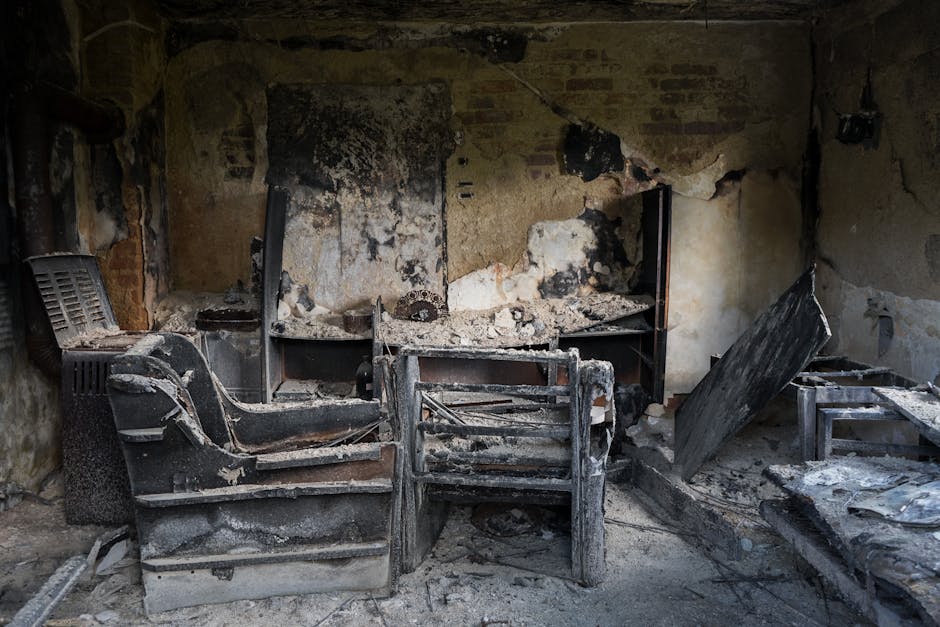
- the fabric is intact and not melted, charred, or deeply singed
- soot is present on the surface, but not heavily embedded throughout the padding
- the item has value, sentimental importance, or is hard to replace
- you need a sensible bridge solution while other repairs are underway
Replacement is usually the safer option when:
- the item has been directly burned or structurally weakened
- the foam smells strongly after repeated cleaning attempts
- there is water damage from firefighting and the item stayed wet for a long time
- the fabric is fragile, ancient, or already deteriorating
- there is mould risk or visible contamination inside cushions and seams
For landlords and managing agents, there is a bit more to think about. You are not only asking whether the item looks acceptable. You are also weighing hygiene, tenant confidence, and whether it is sensible to return a piece to use after contamination. That is where a careful assessment matters more than optimism.
Step-by-Step Guidance
If you are trying to restore smoke damaged upholstery after a house fire UK, the safest approach is calm and methodical. Do not rush into wet cleaning straight away. A common mistake is scrubbing in the first hour, which can smear soot deeper into the fabric. Here is a practical sequence.
1. Make the area safe first
Before touching anything, make sure the property is safe to enter and the item is not still exposed to heat, unstable debris, or active electrical risk. If there is any doubt, wait for the relevant professionals to confirm it is safe. Smoke damage may be visible, but the wider environment can still be risky.
2. Check what type of upholstery you have
Fabric type matters. Cotton, linen, velvet, polyester blends, leather-look materials, and natural fibres all behave differently. Some can tolerate careful cleaning; others can be ruined by the wrong product. If the item has labels or manufacturer care notes, keep them to hand. If not, test cautiously on an unseen area. Honestly, this is the bit people often skip, and then regret later.
3. Remove loose soot carefully
Use dry methods first wherever possible. Soft brushing, vacuuming with a clean upholstery attachment, and gentle surface lifting can remove loose soot before it spreads. The key is light pressure. You are lifting contamination, not polishing a car bonnet.
4. Treat odour and residue with fabric-safe methods
After dry removal, appropriate cleaning solutions can be used depending on the material. The goal is not just to make the upholstery look better. It is to address the smell embedded in the fibres and backing. In many cases, deodorisation is just as important as surface cleaning. If you only clean what you can see, the odour often comes back later.
5. Dry thoroughly
Upholstery must be dried properly. Fire damage often comes with firefighting water, and damp fabric can develop a stale, musty smell very quickly. Good airflow, controlled drying, and patience are important. No shortcuts here. Not really.
6. Reassess before returning the item to use
Once dry, smell the upholstery again and check for remaining soot, staining, or sticky residue. Some items need a second treatment. Others are simply beyond practical restoration. A final check is worth it because a half-cleaned sofa is still a contaminated sofa.
If you are dealing with multiple items, prioritise the ones with the highest value or biggest impact on daily life. A family sofa, dining chairs, and bedroom seating are often more urgent than occasional-use items stored upstairs. The room-by-room view helps.
Expert Tips for Better Results
Experience tends to teach the same lessons repeatedly, and upholstery restoration is no different. The results usually improve when you stay patient and avoid overworking the fabric. The best clean is often the least dramatic one, which sounds boring, but that is just how it is.
- Act early: the sooner soot is lifted, the easier it is to stop permanent staining.
- Use a test patch: even gentle cleaners can affect dyes, pile, or finish.
- Do not soak the fabric: too much moisture drives dirt deeper and can damage foam.
- Pay attention to seams and undersides: hidden contamination often causes lingering odour.
- Ventilate carefully: fresh air helps, but avoid blowing dusty air directly onto contaminated items.
- Document the damage: photos can be useful for insurance discussions and for tracking what has or has not improved.
One useful habit is to work from the cleanest item to the dirtiest. That sounds obvious, but in real life it prevents cross-contamination. If you clean a lightly affected chair after dragging soot from a badly damaged sofa across the room, you are undoing your own work. A bit of order saves a lot of grief.
Another tip: smell the item after it has warmed slightly. Cold upholstery can hide odour better than warm upholstery, so if possible, check it again later in the day. That late-evening recheck around 8pm, when the room has settled and the heating has come on, tells you more than a quick glance ever will.
Common Mistakes to Avoid
Most restoration problems come from rushing. People are desperate to get the house back to normal, so they scrub, spray, or steam clean too soon. The result is often worse smell, fixed-in soot, or damaged fabric. A few common mistakes come up again and again.
- Scrubbing soot straight away: this can push particles deeper into the fibres.
- Using strong household chemicals: bleach and harsh sprays can discolour upholstery and leave new odours behind.
- Over-wetting cushions: this can damage foam and slow drying.
- Ignoring hidden areas: inside cushions and under flaps can hold the real problem.
- Assuming the smell will fade on its own: sometimes it does a little, but often it does not.
- Putting items back too early: if the upholstery is still contaminated or damp, you may trap the issue indoors.
There is also a big emotional mistake: trying to save everything. That is understandable, of course. After a fire, people want to rescue whatever they can. But some items simply are not worth restoring, especially if they have deep smoke penetration or structural damage. Keeping everything can slow the whole recovery process and create ongoing odour problems. A selective approach is usually better.
Tools, Resources and Recommendations
You do not need a warehouse of equipment to start assessing smoke damaged upholstery, but you do need the right basics. A clean, careful approach is far better than a cupboard full of random sprays. If you are handling light contamination yourself, these are the most useful items to have on hand.
- soft brushes for dry soot lifting
- a vacuum with a clean upholstery attachment
- microfibre cloths that are not already dusty
- gentle fabric-safe cleaners suitable for the upholstery type
- protective gloves and, where appropriate, a face covering for dusty residue
- good lighting so you can spot shadowy soot marks and missed seams
- fans or other safe drying aids that do not blow dirt across the room
For more complex jobs, it often makes sense to bring in a professional with experience in post-fire cleaning and upholstery treatment. That is especially true if the item is valuable, antique, custom-made, or part of a full-room fire restoration project. A qualified cleaner should be able to explain what they can and cannot save, and why. If they are vague, that is not ideal.
If you are looking at the wider property as well, it may help to plan related work such as pressure washing for exterior soot residue or services overview information to understand the wider range of support available. For structural or outdoor fire-related aftermath, the company also covers garden and hard-surface cleaning options such as driveway cleaning and patio cleaning, which can be useful if smoke fallout reached surrounding areas.
Law, Compliance, Standards, or Best Practice
Fire recovery work in the UK sits within a wider framework of safety, insurance, and sensible property management. This is not usually a case of one single law dictating exactly how upholstery must be cleaned, but there are clear best-practice expectations.
First, any item that may still be contaminated or unsafe should be treated cautiously. If there is structural damage, unstable debris, electrical risk, or lingering fumes, the property should be assessed before anyone starts work. In rented homes, landlords and agents should be especially careful about returning heavily contaminated soft furnishings to use without a proper check. Tenants deserve a safe, liveable environment, not a rushed patch-up job.
Second, if the upholstery is being cleaned as part of an insurance claim, keep records. Photographs, notes on what was affected, and a simple list of what was treated can be very helpful. It may feel tedious at the time, but future-you will probably be grateful. Insurance processes can be slow enough without fuzzy records adding to the fun.
Third, moisture control matters. Fire damage often involves both smoke and water, and UK homes can struggle with damp conditions anyway. Good drying practice is not just about appearance; it helps reduce secondary issues such as mould growth or odour rebound. In short: dry it properly, then check it properly.
Finally, any professional work should be carried out by a business that can explain its safety procedures, insurance arrangements, and approach to handling contaminated materials. If you want a sense of how a company frames those basics, pages like health and safety policy and insurance and safety can be useful reference points for the kind of assurances people typically look for.
Options, Methods, or Comparison Table
Not every smoke damaged item needs the same level of treatment. In practice, the main decision is whether to use light DIY cleaning, specialist restoration, or full replacement. Here is a straightforward comparison.
| Method | Best for | Pros | Limitations |
|---|---|---|---|
| Light DIY surface cleaning | Minor smoke odour or light soot on robust fabric | Low cost, quick to start, useful for early intervention | Limited on deep odour, higher chance of mistakes if the fabric is delicate |
| Professional upholstery restoration | Moderate smoke damage, valuable or sentimental items | Better chance of deep cleaning and odour control, less risk of fabric damage | Costs more than DIY and may still not fully save heavily affected items |
| Replacement | Severe burning, deep contamination, compromised foam or frame | Most reliable way to remove contamination completely | Highest cost and longer turnaround, especially for bespoke furniture |
The right choice depends on condition, value, and how much smoke actually penetrated the item. If the chair smells faintly smoky but the fabric and foam are intact, cleaning may be enough. If a sofa sat in heavy smoke for hours, replacement may be more sensible even if the cover looks okay at first glance. Looks can be deceiving. Upholstery especially so.
Case Study or Real-World Example
Imagine a semi-detached home in west London after a kitchen fire. The flames were contained relatively quickly, but smoke moved through the hallway and into the front room. A fabric sofa, two armchairs, and four dining chairs picked up a strong odour. None were burned through, but the sofa had a dull grey film on the arms and the cushions smelled noticeably smoky by late afternoon.
The first instinct was to spray everything with a household deodoriser. Thankfully, that was paused. The better approach was to assess each item individually. The dining chairs, with firmer fabric and lighter contamination, responded well to careful dry soot removal followed by controlled cleaning. The armchairs improved too, though one cushion needed a second treatment because the smell lingered near the seam.
The sofa was more complicated. The top surface looked fine after cleaning, but the underside and cushion inserts still held odour. That told the real story. In the end, the covers were treated successfully, but the foam inserts needed separate attention and one section was judged too affected to be worth keeping. Not dramatic. Just practical.
The useful lesson here is that "mostly fine" can still mean "not fine enough." If you only judge by the visible surface, you may miss the deeper contamination. Take the time to check seams, undersides, and cushion interiors. That is where the truth usually hides.
Practical Checklist
Use this checklist before deciding whether to restore smoke damaged upholstery after a house fire UK:
- Has the property been confirmed safe to enter and work in?
- Is the upholstery burned, melted, or structurally weakened?
- Is the smoke damage light, moderate, or heavy?
- Does the item have sentimental, financial, or practical value?
- Have you checked the seams, undersides, and cushion interiors?
- Have you tested a small hidden area before applying any cleaner?
- Are you using dry methods first to lift loose soot?
- Have you ruled out over-wetting the fabric or foam?
- Is the item drying thoroughly after cleaning?
- Does the smell remain when the item warms up later in the day?
- Have you documented the condition with photos if insurance is involved?
- Would a professional assessment save time, money, or further damage?
Expert summary: if the upholstery is only lightly affected and structurally sound, restoration is often worthwhile. If smoke has soaked into foam, seams, and backing, or the item has been heat-damaged, replacement may be the better long-term decision. The key is to judge the item by what is inside it, not just what you can see.
Conclusion
Restoring smoke damaged upholstery after a house fire is rarely about one miracle product. It is about honest assessment, careful cleaning, controlled drying, and knowing when to stop. Some items can be brought back well. Others can be improved but not fully rescued. A few should be replaced without much delay. That balance is what gets the best result in the real world.
If you take one thing from this guide, let it be this: act early, clean gently, and do not ignore hidden odour sources. A sofa that looks acceptable but still smells smoky will keep reminding you that the job is unfinished. And nobody wants that hanging around the living room for months.
When you are ready to move forward, choose the safest, most practical option for each item rather than trying to save everything at once. That measured approach usually leads to a cleaner home, less stress, and a much better end result.
Get a free quote today and see how much you can save.
Frequently Asked Questions
Can smoke damaged upholstery be saved after a house fire?
Yes, sometimes it can. Upholstery with light to moderate smoke exposure is often salvageable if the fabric, foam, and frame are still sound. The more deeply smoke has penetrated, the harder it becomes to remove the odour completely.
How do you get smoke smell out of a sofa after a fire?
Usually by combining dry soot removal, fabric-safe cleaning, and proper deodorisation. The sofa also needs to be dried thoroughly. If the smell remains after warming up or after a few days, deeper contamination may still be present.
Is it safe to use smoke damaged furniture in the house?
Only after it has been properly assessed and cleaned. If there is heavy soot, strong odour, or water damage from firefighting, it may not be safe or sensible to keep using it. When in doubt, get a professional opinion.
Should I clean upholstery myself after a house fire?
You can handle light contamination on robust fabric if you are careful, but delicate materials, severe smoke damage, or valuable pieces are better left to experienced cleaners. One wrong product or too much water can make things worse very quickly.
How long does smoke smell last in upholstery?
That depends on the damage and the treatment. Light odour may improve quickly, while deep contamination can linger for weeks or longer if not properly treated. Warm rooms often reveal hidden smells more clearly than cold ones.
What fabrics are hardest to restore after smoke damage?
Natural fibres, delicate weaves, older fabrics, and items with glued backing or fragile foam are often harder to restore. Some modern synthetic fabrics are more forgiving, but every item still needs a careful test before cleaning.
Can professional cleaning remove fire soot from cushions?
It can often remove a lot of surface soot and improve odour significantly, especially if treated early. Cushions with deep smoke penetration may still need replacement of the inserts or more intensive treatment.
Will airing out the room remove smoke from upholstery?
It helps, but airing out alone usually is not enough. Smoke particles and odour compounds can lodge in fibres and foam, so ventilation is only one part of the solution.
How do I know if a sofa is beyond repair?
If it is burned, structurally damaged, heavily soot-embedded, or still smells strongly after proper cleaning and drying, replacement is usually the better option. A professional assessment can help you decide with more confidence.
Does insurance usually cover smoke damaged upholstery after a fire?
Policies vary, so you need to check your own cover and speak to the insurer or loss adjuster. Keep photos and records of the damage, because clear documentation helps support the claim process.
Can smoke damage come back after cleaning?
Yes, it can if contamination remains in the foam, seams, or backing. That is why thorough drying and a second inspection matter. A piece may seem fine at first, then the smell reappears later when the room warms up.
What should I do first after discovering smoke damage on upholstery?
Start by making sure the property is safe, then stop any well-meaning but aggressive cleaning. Assess the damage, lift loose soot carefully, and decide whether the item is a realistic restoration candidate or one that should be replaced.