Warehouse driveway cleaning: Recycling and Sustainability for Industrial Sites
 Warehouse driveway cleaning programmes are more than surface maintenance — they are a chance to embed sustainable waste practices into everyday operations. By prioritising an eco-friendly waste disposal area and creating a dedicated sustainable rubbish gardening area, facilities managers can reduce landfill, lower operational emissions, and support local circular-economy initiatives.
Our approach to driveway cleaning for warehouses emphasises waste separation at source, recovery of usable materials, and careful handling of contaminants like oily residues, packaging, and organic clutter. These steps protect storm drains and soil around loading bays while preparing materials for reuse, donation, or proper recycling.
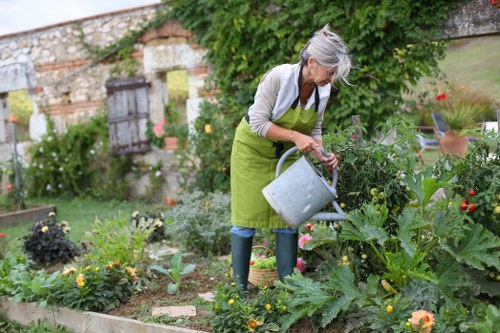 To make measurable progress we set a clear recycling percentage target: a minimum of 70% of non-hazardous site waste diverted from landfill within 18 months of implementation. This target covers cardboard, plastics, metal, glass, wood pallets, and inert rubble generated during routine maintenance and driveway cleaning operations.
Key site changes include dedicated sorting zones in the eco-friendly waste disposal area, colour-coded bins for mixed recycling streams, and secure containment for hazardous or contaminated rinsewater prior to treatment. Aligning with local boroughs' approach to waste separation—paper and card, glass, metal and plastics separated at source—ensures compatibilty with municipal transfer station requirements.
We partner with municipal and private transfer stations to ensure materials collected during industrial driveway cleaning are routed correctly. Local transfer stations handle bulky cardboard and wooden pallets, while specialist facilities accept construction and demolition aggregates from yard resurfacing.
In addition to municipal routes, we build partnerships with charities and social enterprises that can reuse items salvaged during warehouse yard cleaning. Pallets, undamaged crates, and surplus shelving often find a second life through donation schemes, reducing waste and supporting community projects.
![A garden scene featuring freshly turned dark brown soil with various gardening tools and vibrant flowering plants. In the foreground, there are yellow and pink primroses with lush green leaves, alongside a small terracotta plant pot. Nearby, a metal watering can with a long spout and a silver garden fork with a wooden handle are positioned on the soil. Behind these, a rectangular metal tub contains a bunch of yellow daffodil flowers with green stems, leaning against a weathered wooden fence, which provides a natural backdrop. To the side, a small silver watering can and a hand trowel with a wooden handle rest on the soil, indicating active garden care. The scene appears to be set on a bright, clear day, with natural daylight illuminating the vibrant colors and textures of the garden elements, representing a well-maintained outdoor space suited for gardening services in the inferred local area near [POSTCODE] or [TOWN].](/pub/_photos/gardening/f1386987520.jpg) Low-carbon fleet options form a core part of the sustainability plan. We deploy low-carbon vans and electric light commercial vehicles for site-to-transfer-station logistics, reducing emissions from frequent trips. Charging schedules are coordinated with off-peak electricity tariffs where possible to lower the overall carbon footprint.
Low-carbon fleet options form a core part of the sustainability plan. We deploy low-carbon vans and electric light commercial vehicles for site-to-transfer-station logistics, reducing emissions from frequent trips. Charging schedules are coordinated with off-peak electricity tariffs where possible to lower the overall carbon footprint.
Operational measures include route optimisation to minimise mileage, use of telematics for efficient driving behaviour, and consolidated collections that reduce the number of journeys off-site. These tactics complement the environmental benefits of improved recycling and reduced waste volumes produced on-site.
Partnerships and community reuse
Strong collaborations with local charities help divert useful items recovered during cleaning and maintenance away from the waste stream. Charity partnerships are focused on social return: usable pallets and storage equipment are refurbished or redistributed to community groups.We also maintain relationships with specialist recyclers for oil-contaminated materials, used absorbents, and washdown residues. These materials are handled separately from general recycling to preserve the integrity of recovered streams and to comply with environmental regulations.
On-site, the sustainable rubbish gardening area provides a practical demonstration of circularity: compost generated from segregated organic waste is used in planting beds, and broken wooden pallets and crates are repurposed for planters and habitat piles for pollinators.
Practical recycling activities relevant to borough-level systems
Most borough schemes accept dry recyclables and food waste separately; accordingly, our site sorting mirrors this model. Activities include:- Source separation of paper, card, plastics and metal;
- Segregated collection of food/organic waste for composting;
- Designated containment for contaminated liquids to be treated off-site;
- Collection of bulky items for donation or specialist recycling;
Waste audits are conducted regularly to measure progress against the recycling percentage target and to identify opportunities to increase recovery rates. Data from audits informs improvements in signage, bin placement, and staff training so that more materials are captured in the correct streams.
Staff engagement is essential: short briefings, clear visual guides at the point of disposal, and incentivised reuse programmes encourage consistent behaviour across shift patterns and contractor teams working on industrial driveway cleaning tasks.
![A woman and a young girl are gardening together outdoors in a lush, well-maintained backyard garden in the UK, filled with various plants, shrubs, and flowering bushes. The woman, dressed casually in a grey jacket and green gardening gloves, is smiling as she holds a small potted plant with red flowers. The girl, wearing a blue t-shirt and denim shorts, is engaged and also holding a similar potted plant. They are seated on the grass, surrounded by gardening tools and a wicker basket, with a watering can and a red watering container nearby. The garden features a mix of dense greenery, flowering plants, and neatly trimmed hedges, with sunlight illuminating the scene under a clear sky. The environment appears peaceful and well-kept, with emphasis on outdoor gardening and plant care, aligning with professional gardening and landscaping services in the local area, possibly near inferable postal codes within the UK. The setting highlights nurturing outdoor spaces typical of residential garden landscapes in the vicinity of [TOWN], supporting themes of sustainable gardening and outdoor maintenance.](/pub/_photos/gardening/f1366802432.jpg) For larger sites, a small on-site transfer zone reduces handling and double transport, with sorted materials compacted and prepared for collection by low-emission vehicles. This reduces haulage frequency and supports the site's carbon reduction targets.
For larger sites, a small on-site transfer zone reduces handling and double transport, with sorted materials compacted and prepared for collection by low-emission vehicles. This reduces haulage frequency and supports the site's carbon reduction targets.
![The image depicts a gardener planting young lettuce seedlings into dark, rich soil within a garden bed. The gardener's hands are visible, gently handling the seedlings while wearing a plaid shirt. In the background, a wooden fence provides a natural boundary, and several gardening tools such as a hand rake, a watering can, and a small plant pot are arranged on the wooden surface behind the garden bed. The garden features other healthy, green leafy plants, with a row of seedling trays and mature shrubs or small trees further back, indicating a well-organized outdoor space focused on vegetable growing. The setting appears to be outdoors on a bright, clear day, with soft natural light illuminating the scene, suitable for gardening activities. This type of planting activity aligns with services offered by a gardening company such as Warehouse driveway cleaning, supporting sustainable outdoor maintenance and garden care operations in the local area around [POSTCODE] near [TOWN].](/pub/_photos/gardening/f1342483784.jpg) In summary, embedding recycling and sustainability into warehouse exterior cleaning and maintenance creates multiple benefits: reduced landfill, lower operational emissions through the use of low-carbon vans, stronger ties with local transfer stations, and positive social impacts via charity partnerships. These measures, aligned with borough waste separation approaches, support a resilient, circular operation.
In summary, embedding recycling and sustainability into warehouse exterior cleaning and maintenance creates multiple benefits: reduced landfill, lower operational emissions through the use of low-carbon vans, stronger ties with local transfer stations, and positive social impacts via charity partnerships. These measures, aligned with borough waste separation approaches, support a resilient, circular operation.
Implementing a clear recycling percentage target, creating an eco-friendly waste disposal area, and cultivating a sustainable rubbish gardening area are practical, scalable steps. Together they make industrial driveway cleaning and warehouse maintenance a driver of local environmental improvement.
By combining operational change, community partnerships, and low-emission logistics, warehouse driveway cleaning programmes can be both effective and responsible—protecting the site, supporting local recycling infrastructure, and contributing to broader sustainability goals.